Menu sticky - Sostenibilità

Sustainability at the University of Verona

University Policies and Measures

CSS Script Sostenibilità (2026)

CSS SCRIPT - Small viewport

The Pillars of Sustainability 2024

€74 Million

Economic value distributed to support students.
23%

Of students are fully exempt from paying tuition fees.

-2.1% Water Consumption

Reduction in drinking water consumption compared with the previous year.

60% of Added Value

Allocated to human resources, the University's primary stakeholder.

€12.1 Million

Operating surplus recorded in 2024, increasing compared with 2023.

Economic and Financial Sustainability Indicators

  • Personnel Expenditure: 68.48%
    Legal limit: < 80%
  • Debt Ratio: 3.86%
    Legal limit: < 15%
  • ISEF (Economic and Financial Sustainability Index): 1.17
    Legal requirement: > 1

Our Mission: Key Figures

Education and Teaching

The University has 27,005 enrolled students for the 2024/2025 academic year.

High-Quality Research

70.6% of scientific publications were published in top-tier (Q1) journals.

Growing Public Engagement

Increasing initiatives to strengthen engagement with local communities, schools, and civil society.

Sustainability Reports

The Sustainability Report is an official document through which the University transparently communicates the economic, social, and environmental impacts of its activities, as well as its objectives and achievements in the field of sustainable development.

What is it for?

The report serves not only to explain how resources are used, but also to demonstrate how the University contributes to the well-being of society and the environment in several ways:

  • ensuring transparency and accountability towards students, staff, institutions, local communities, and funding bodies
  • measuring and improving the University's sustainability performance
  • aligning with the United Nations Sustainable Development Goals (SDGs)
  • strengthening the University's reputation and social role.

The UNIVR Sustainability Report is the result of a collaborative data collection and drafting process involving several University departments and offices, coordinated by the Scientific and Technical Committee for the Planning, Development and Preparation of the University's Sustainability Report, chaired by Prof. Silvia Cantele, and composed of Professors Nicola Frison, Silvia Toniolo, Silvia Blasi, and Vincenzo Riso.

The RUS Veneto Network

Veneto Region Universities' Network

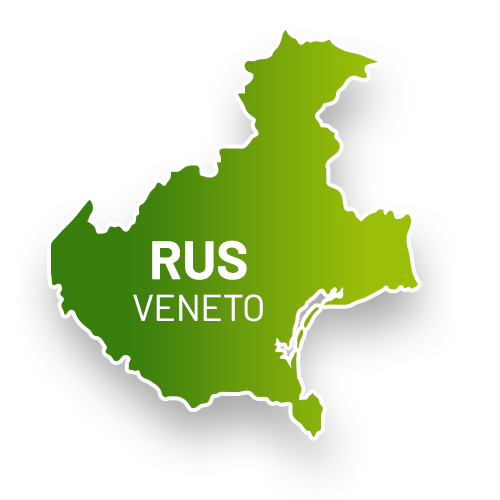
In 2024, the Universities of Verona, Padua, Ca' Foscari Venice, and Iuav University of Venice established the RUS Veneto Network with the aim of promoting a culture of sustainability, sharing best practices, and creating common areas for action at the regional level.

This initiative gives formal recognition to the many sustainability projects that universities across the Veneto region already carry out, often in collaboration with regional institutions and organizations.

Examples include the Sustainable Art Prize and the Memorandum of Understanding on Green Public Procurement (2019), signed with the Veneto Region, Unioncamere del Veneto, and ARPAV, with the aim of fostering positive synergies among institutions operating throughout the region through the establishment of joint working groups.
The RUS Veneto Network

The University's RUS Committee

The "Network of Universities for Sustainable Development" Committee (RUS Committee) aims to foster greater awareness and understanding of environmental, social, and economic sustainability issues within the university community and in its relationships with the local area and its stakeholders, so that individuals can align their lifestyles with these principles and make responsible choices for the common good.

The Committee bases its activities on the principle of sustainability, understood as a model of development that meets present needs without compromising the ability of future generations to meet their own needs and achieve their goals.

For more information about its functions and activities: RUS Committee
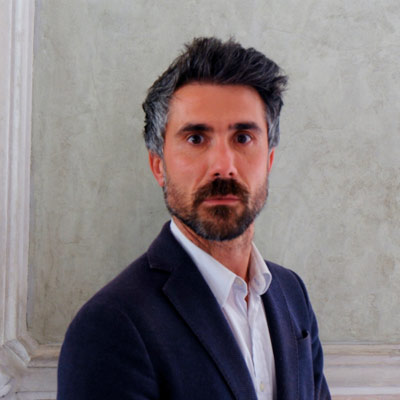

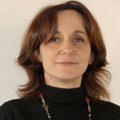
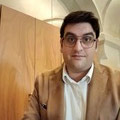
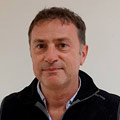
Members of the RUS Committee

Nicola Frison
Prof. Nicola Frison
Rector's Delegate for Sustainability
Chair of the RUS Committee
Debora Viviani
Dr. Debora Viviani
Associate Professor of Sociology of Cultural and Communication Processes
Vice Chair of the RUS Committee
Coordinator, Inclusion and Social Justice Working Group
Debora Brocco
Dr. Debora Brocco
Head of the Health and Safety Service
Coordinator, Waste Working Group
Isolde Busch
Dr. Isolde M. Busch
Researcher in Clinical Psychology
Coordinator, Climate Change Working Group
Silvia Cantele
Prof. Silvia Cantele
Professor of Business Administration
Coordinator, Industry Working Group
SC
Dr. Sara Costa
Health and Safety Service Office
Coordinator, Waste Working Group
Claudia Daffara
Prof. Claudia Daffara
Associate Professor of Physics for Life Sciences, the Environment and Cultural Heritage
Coordinator, Climate Change Working Group
Pier Giorgio Dal Dosso
Arch. Pier Giorgio Dal Dosso
Mobility Manager, Head of the Buildings and Infrastructure Area
Coordinator, Mobility Working Group
Sidia Fiorato
Prof. Sidia Fiorato
Associate Professor of English Literature
Coordinator, Education Working Group
Isolde Quadranti
Dr. Isolde Quadranti
Head of the European Documentation Centre
Coordinator, Education Working Group
Vincenzo Riso
Dr. Vincenzo Riso
Researcher in Business Administration
Coordinator, Industry Working Group
Paolo Rucci
Dr. Paolo Rucci
Knowledge Promotion and Dissemination Office
Coordinator, Food Working Group
RV
Arch. Riccardo Vesentini
Head of the Operations and Maintenance Unit
Coordinator, Energy Working Group
Manola Visentini
Manola Visentini
Technical Directorate, Procurement and Logistics
Administrative Management of the RUS Committee