
L'economia circolare è un modello economico rigenerativo che mira a mantenere prodotti, materiali e risorse in uso il più a lungo possibile, riducendo al minimo rifiuti e dipendenza da materie prime vergini attraverso principi di condivisione, riutilizzo, riparazione, ricondizionamento e riciclo.
L’Università di Verona promuove la transizione verso un modello di sviluppo circolare. Attraverso l'integrazione di tecnologie digitali, acquisti verdi e il coinvolgimento attivo della comunità, l’Ateneo trasforma la gestione dei beni in un ciclo virtuoso di riutilizzo e rigenerazione.
Gestione dei rifiuti
La strategia di Ateneo per i rifiuti si fonda sulla riduzione alla fonte e sulla valorizzazione dello scarto come risorsa.
Rifiuti Speciali
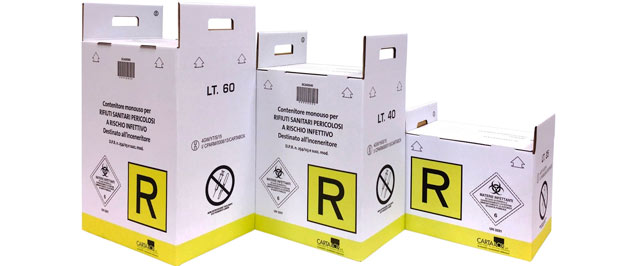
Per la gestione degli scarti chimici e sanitari, l'Ateneo ha stabilito criteri di affidamento che premiano le ditte in grado di garantire l'uso di contenitori realizzati con alte percentuali di materiale riciclato (fino al 79% per i rifiuti sanitari).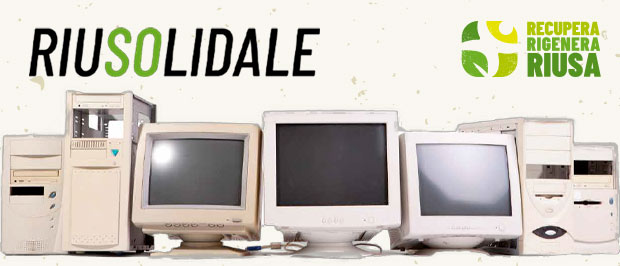
RiuSolidale
Portale dedicato al riuso di apparecchiature informatiche ancora funzionanti. Attraverso questa piattaforma, l'Università dona PC e monitor a pubbliche amministrazioni ed enti no-profit, estendendo il ciclo di vita dei dispositivi e sostenendo progetti umanitari.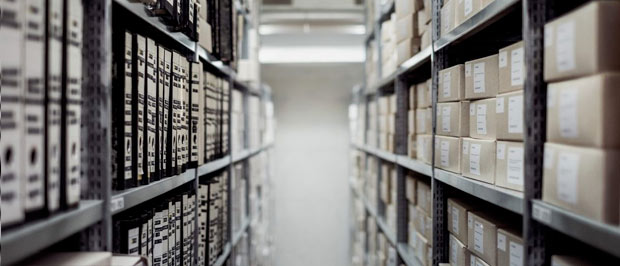
Dematerializzazione
Grazie al Piano Integrato di Attività ed Organizzazione (PIAO), sono stati avviati numerosi progetti per eliminare i moduli cartacei in ambiti come la gestione del personale, le carriere degli studenti e la ricerca, riducendo drasticamente la produzione di rifiuti cartacei.
Riduzione della plastica monouso
L'Università ha intrapreso un percorso deciso per l'eliminazione della plastica monouso da tutti i propri poli.
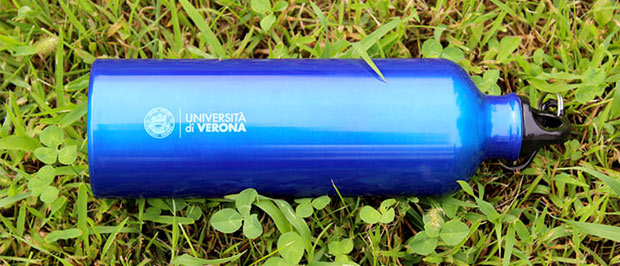
Erogatori d'Acqua
Nelle concessioni per i servizi di somministrazione automatica è stata eliminata la vendita di bottiglie di plastica, sostituita dall'installazione di erogatori di acqua affinata in presa diretta. Ad oggi sono presenti 35 erogatori che permettono di risparmiare mediamente oltre 10.000 bottiglie di plastica all'anno.-
Vending Machine Sostenibili
I distributori automatici utilizzano esclusivamente bicchieri in carta certificata FSC o biodegradabili al 100%, accompagnati da agitatori in legno. -
Arredi Circolari
Come simbolo tangibile di queste politiche, nell'atrio di Palazzo Giuliari sono state installate poltroncine realizzate interamente in materiale riciclato che veicolano messaggi chiave sulla sostenibilità.
Campagne di sensibilizzazione
Il cambiamento culturale è supportato da campagne permanenti che coinvolgono studenti e personale.
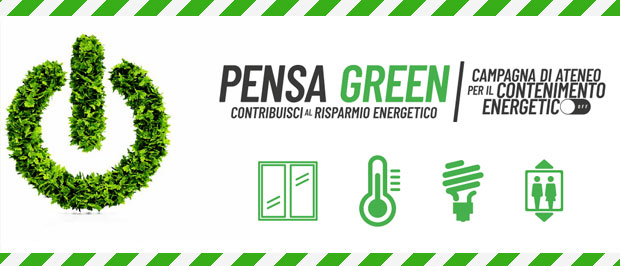
"Pensa Green"
Una campagna permanente che promuove buone pratiche quotidiane, come il risparmio energetico, l'uso corretto della climatizzazione e la riduzione degli sprechi informatici.
"Prendi a cuore il tuo Ateneo"
Iniziativa dedicata a ridurre l’impatto ambientale dei festeggiamenti di laurea, incentivando il riciclo e l'uso di materiali sostenibili al posto della plastica.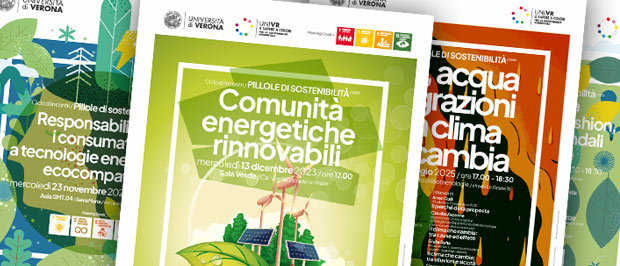
"Pillole di Sostenibilità"
Incontri divulgativi organizzati ogni anno su temi come il futuro del nucleare, la moda circolare e la gestione delle acque.-
èVRgreen week
Un evento annuale dedicato al capitale naturale urbano che utilizza metodi di citizen science per coinvolgere i cittadini nel monitoraggio della biodiversità locale.
Acquisti sostenibili
L’Ateneo applica i criteri del Green Public Procurement (GPP) per garantire che ogni fornitura rispetti l'ambiente e la dignità sociale.
-
Criteri Ambientali Minimi (CAM)
Tutte le nuove opere edilizie (come il Biologico 3) e i lavori di manutenzione straordinaria seguono rigorosamente i parametri CAM, integrando materiali eco-compatibili e sistemi ad alta efficienza energetica. -
Ristorazione Consapevole
Le concessioni per la distribuzione automatica impongono che almeno il 20% dei prodotti offerti sia costituito da cibi sani o sostenibili. Inoltre, in collaborazione con la Regione Veneto, l'Ateneo contribuisce alla stesura di linee guida per appalti verdi nei sistemi alimentari e tessili. -
Collaborazioni Istituzionali
L’Università partecipa attivamente al Tavolo Tecnico della Regione Veneto sul GPP per la condivisione di buone pratiche e la modifica dei criteri ambientali minimi a livello regionale.