

The University of Verona is actively committed to reducing the environmental impact of commuting across its community. Through an integrated strategy, the University promotes transport alternatives to private cars, fostering both individual well-being and the protection of the urban environment.
Home-to-University Mobility Plan (PSCL)
Corporate mobility is managed by the Mobility Manager, who is responsible for drafting and updating the PSCL (Home-to-Work Mobility Plan). Approved at the end of 2023, the new plan aims to decarbonize commuting to and from the University through five strategic areas of action:
1. Reducing private car use: promoting carpooling and shared transport alternatives.
2. Public Transport: strengthening integration with urban and regional transport networks.
3. Cycling and Micromobility: developing infrastructure for bicycles and shared mobility services.
4. Reducing Travel Demand: encouraging remote working and smart working to reduce the overall number of journeys.
5. Supporting Measures: coordinated actions with local authorities to optimize mobility flows across the area.
Promotions, Benefits and Initiatives
To make the transition towards greener mobility a reality, the University offers a wide range of benefits and services for students, academic staff, and technical and administrative staff:
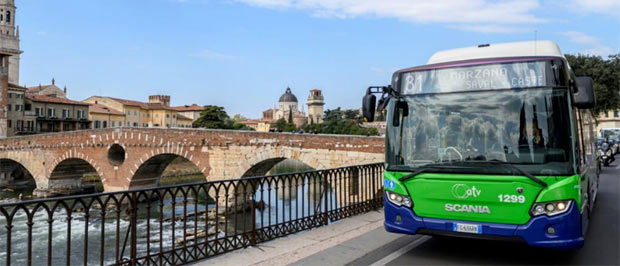
Public Transport Contribution
The University provides a contribution of €18.00 per month towards the purchase of urban and regional public transport passes (bus and rail) for technical and administrative staff and language experts.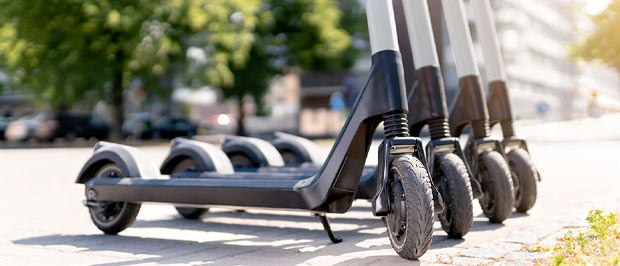
Shared Micromobility
Thanks to dedicated agreements, the entire University community can benefit from discounted rates on electric scooter services:- Bitmobility: 25% discount on ride fares.
- Lime: 20% discount on rides within the city.
- Dott: 30% discount on the per-minute rate.
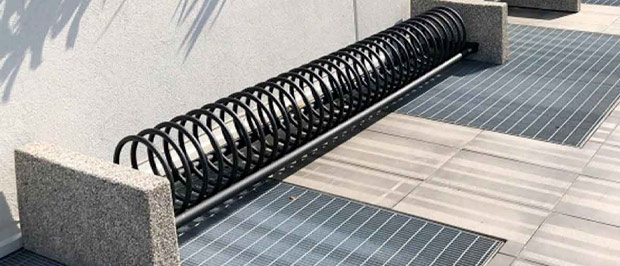
Cycling Infrastructure
Approximately 400 bicycle parking spaces are available, including covered and monitored facilities at the Borgo Roma and Veronetta campuses.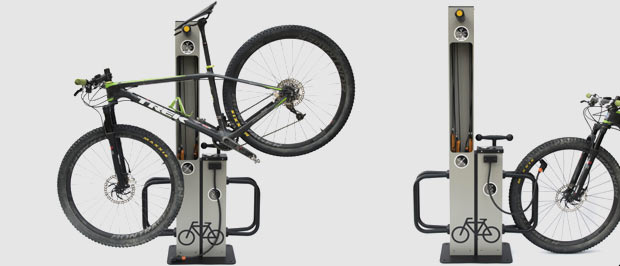
Bicycle Repair Stations
Two bicycle maintenance and tyre inflation stations have been installed on a trial basis at the Veronetta Campus and the Borgo Roma Campus (Ca' Vignal).
More information about Bicycle Repair Stations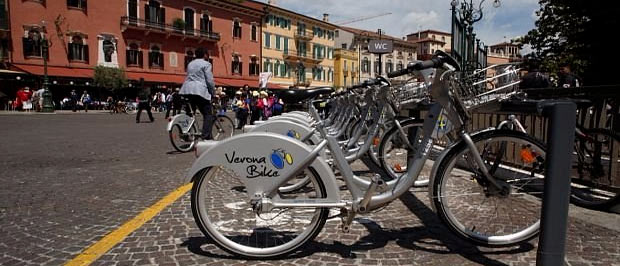
Bike Sharing
The number of bike-sharing stations has been increased at the Zanotto Campus, Santa Marta Campus, and Porta Vescovo railway station.
Scipione: On-Demand Evening Bus Service
ATV's evening on-demand bus service is available through a dedicated app for iOS and Android, allowing users to book journeys within the four service zones.
More information on the ATV website
| Category | Service / Indicator | Benefit or Figure |
|---|---|---|
| Public Transport | Public Transport Pass Contribution | €18.00 per month (technical and administrative staff and language experts) |
| Shared Mobility (E-scooters) | Bitmobility Agreement | 25% discount on ride fares |
| Lime Agreement | 20% discount on city rides | |
| Dott Agreement | 20% discount on the per-minute rate | |
| Infrastructure | Bicycle Parking | 400 spaces (including covered and monitored parking) |
| Investment | Per-capita expenditure on infrastructure | €1.20 (four times higher than in 2022) |
| Economic Impact | Total public transport reimbursements | €17,161 provided by the University |
Mobility Data
Continuous monitoring of travel habits makes it possible to measure the effectiveness of the University's mobility policies.
Key indicators for 2024 include:
-
11.5%: percentage of staff choosing public transport, an increase of 1.5 percentage points compared with the previous year.
-
9,149: total electric scooter rentals made through the University's partner agreements (a significant increase compared with 1,041 in 2022).
-
€17,161: total amount reimbursed by the University to support employees purchasing public transport passes.
-
€1.20: per-capita investment in sustainable mobility infrastructure and services (almost four times higher than in 2022).